Lapland temperatures month by month: averages, records and daylight hours
The full table for all twelve months, lows, highs and records with their year. Then the only thing that really counts: the layering system that stops you heading back indoors after an hour.
"A January average of -10°C." That sentence tells you nothing about what you will actually live through. It says nothing about the low point of the night, the wind you make on a snowmobile, or the difference between walking and standing still.
It also hides an enormous spread. The January mean is -10.3°C, but the Rovaniemi station has already recorded -38.1°C in that same month.
This page starts with the full table for all twelve months: average lows, average highs and records with the year they were set. Then it deals with the real question, which is how to dress so you are not back indoors within the hour.
If you are still picking your dates, read which month to choose for a Lapland trip instead. Here the month is settled, and only the cold is left.
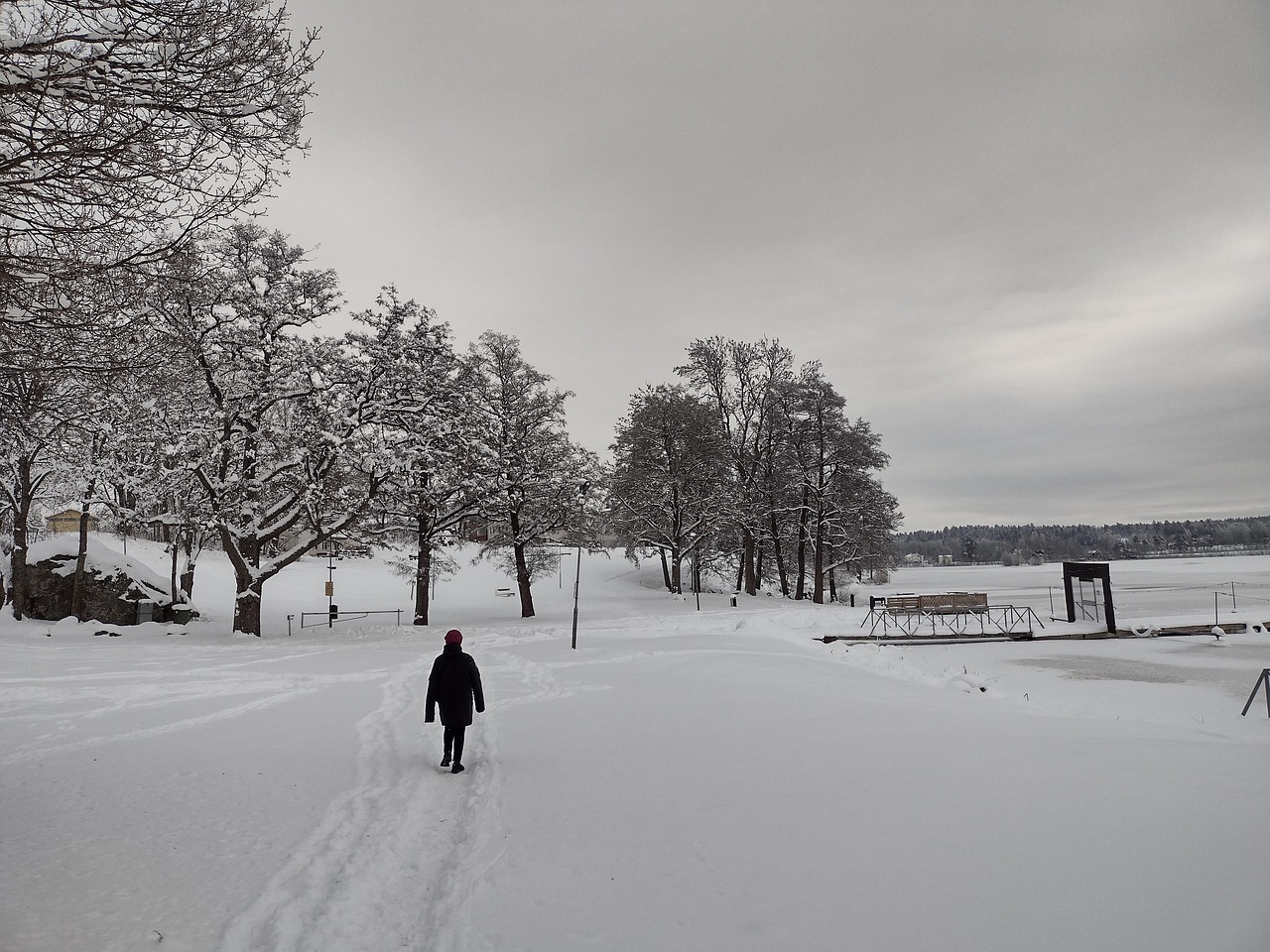
The full Rovaniemi temperature table
The figures come from the Finnish Meteorological Institute station at Rovaniemi airport (number 101920), over the 1959-2025 observation series. Monthly records are given with the year they were recorded.
| Month | Avg. low | Avg. high | Mean | Coldest on record | Warmest on record |
|---|---|---|---|---|---|
| January | -13.5°C | -7.3°C | -10.3°C | -38.1°C (1999) | +6.9°C (1971) |
| February | -13.2°C | -7.2°C | -10.2°C | -35.0°C (1966) | +6.5°C (1972) |
| March | -9.0°C | -1.9°C | -5.6°C | -27.5°C (1971) | +9.5°C (2007) |
| April | -3.5°C | +4.0°C | +0.1°C | -18.7°C (1977) | +17.5°C (2008) |
| May | +2.5°C | +11.0°C | +6.5°C | -11.0°C (1969) | +28.2°C (1960) |
| June | +8.5°C | +16.9°C | +12.5°C | -2.6°C (1962) | +30.7°C (2011) |
| July | +11.8°C | +20.1°C | 15.6°C | +2.4°C (1968) | +32.1°C (1960) |
| August | +9.6°C | +17.2°C | +13.1°C | -0.6°C (1980) | +29.1°C (2014) |
| September | +4.9°C | +11.1°C | +7.7°C | -7.7°C (1986) | +22.6°C (1999) |
| October | -1.3°C | +3.1°C | +0.8°C | -21.5°C (1992) | +15.6°C (1959) |
| November | -6.7°C | -2.1°C | -4.4°C | -27.9°C (1980) | +8.7°C (1967) |
| December | -10.6°C | -4.9°C | -7.7°C | -32.9°C (1967) | +5.0°C (2008) |
Two readings stand out. First the gap between low and high: it stays around 6 to 7 degrees in winter, against 8 to 9 in summer. Lapland cold is steady, it does not ease off in the afternoon the way Alpine cold does.
Then the gap between the mean and the record. In January it reaches nearly 28 degrees. That gap, not the average, is what should dictate what you pack.
Why does -10°C in Lapland not feel like -10°C at home?
Three mechanisms stack up, and none of them shows in a monthly average.
The first is dry air. At these temperatures the air holds very little moisture, which makes a Lapland -15°C easier to bear than a damp, windy -2°C in Britain. Plenty of travellers say so once they are back, and it is the one point where Arctic cold works in your favour.
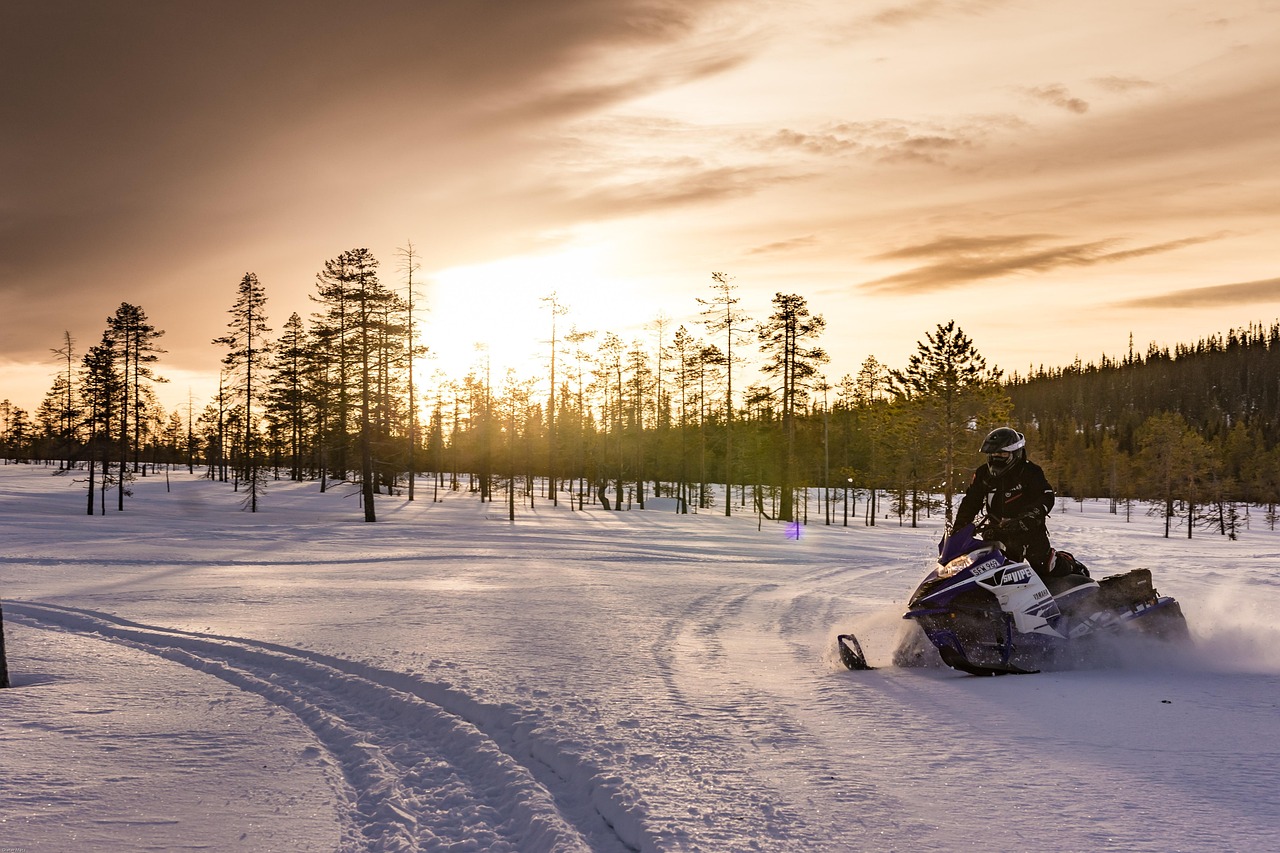
The second is relative wind. On a snowmobile you create your own wind, and the Lapland tourist authorities report a real risk of frostbite on the nose and cheeks without a neck gaiter or a balaclava. That is exactly why operators hand out both as standard.
The third is standing still. As long as you keep walking, your body produces heat. The moment you stop to photograph an aurora or wait for the sled team, production collapses while heat loss carries on.
One point of honesty: no source we consulted publishes a wind chill table specific to the Rovaniemi station. So we give no "feels like" figure in °C, which would be an invention. What is documented is the three mechanisms above and the mistakes they cause.
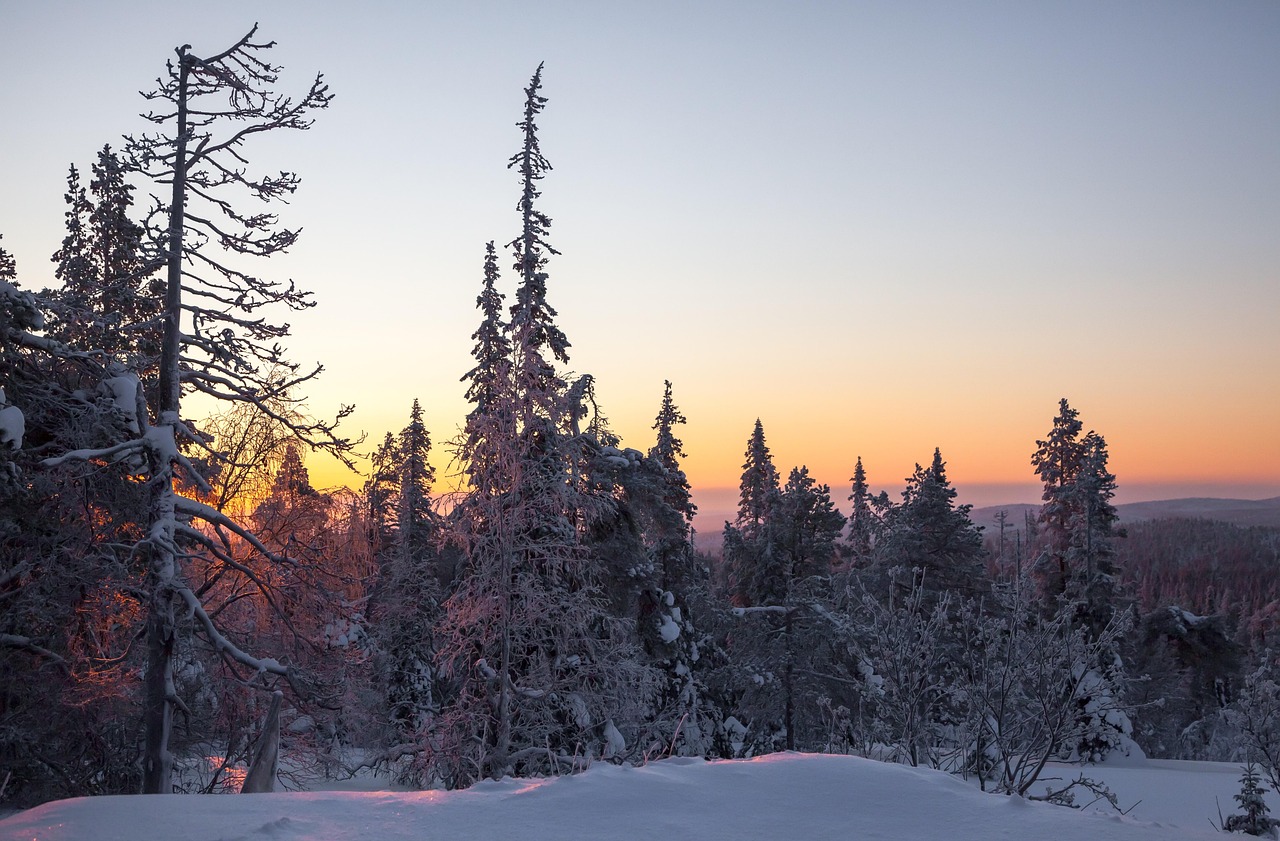
Monthly records: winter is not the only risky month
The station's all-time low is -38.1°C, recorded in January 1999. February follows closely with -35.0°C in 1966, and December with -32.9°C in 1967.
The figure that surprises people most is elsewhere. October, a month with a positive mean of +0.8°C, has already seen -21.5°C, in 1992. May, with a mean of +6.5°C, dropped to -11.0°C in 1969.
In other words, the shoulder months are the ones people get wrong. Nobody flies out in January in sandals, but plenty arrive in October or April with ordinary European autumn clothing.
The other way round, a Lapland summer can be genuinely hot: +32.1°C in July 1960, and +30.7°C again in June 2011. Lapland is not a permanent freezer.
How should you dress to last more than an hour outside?
Every serious guide says the same thing, and travellers confirm it: thickness is not what counts, the system is. Three layers, each with a precise job.
Layer 1, moving moisture. Merino wool at 200 to 260 g/m², or a technical synthetic. It carries sweat away and keeps a warm micro-climate against the skin. Merino still warms when slightly damp, dries fast and stays odour-free over several days.
Layer 2, insulation. A 300 g fleece for deep cold, a down or synthetic puffer, or a thick wool jumper. Two thin layers beat one enormous one: you adjust to the activity instead of being stuck with a single setting.
Layer 3, protection. A waterproof, windproof jacket or parka, with a hood and pockets you can open wearing gloves, plus insulated ski or softshell trousers. Its job is to block wind and snow while letting water vapour out.
With those three layers properly chosen, field guides report being comfortable down to -25 or -30°C while active. That is well beyond anything you will meet on an average day in Rovaniemi.
Cotton, the trap that turns up in every trip report
A cotton t-shirt under a 600 € parka will chill you faster than merino under a 40 € fleece. Cotton holds sweat instead of moving it away, turns icy against the skin and clearly raises the risk of hypothermia and frostbite.
The list of mistakes reported on blogs and forums is short, and always the same:
- Cotton as a base layer: t-shirts, leggings, socks, sweatshirts. Mistake number one.
- Jeans, chinos, everyday trousers: stiff fabric that freezes, no insulating power, thoroughly miserable on a sled or a snowmobile.
- Trainers or fashion boots with thick socks: thin soles, no insulation, frozen feet from -10°C.
- Anything too tight: socks, boots or gloves that squeeze cut off the circulation, so you feel colder despite the extra thickness.
- A big parka with no technical base layer: warm for ten minutes, then you sweat, then you shiver the moment you stop.
That last mistake is the most expensive, because it feels like you got it right. It costs you at exactly the moment you wanted to enjoy yourself: standing still watching the northern lights, or waiting before a husky sled ride sets off.
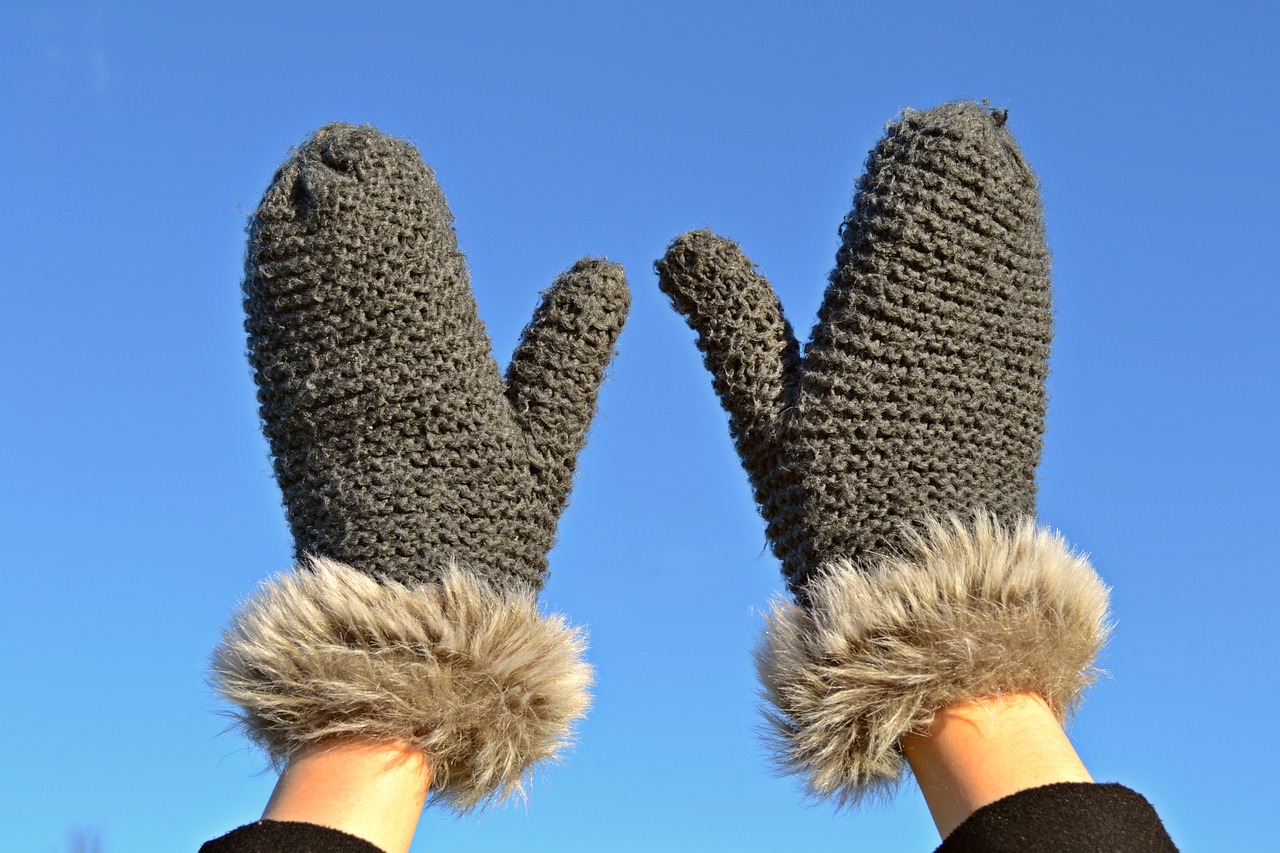
Feet, hands and face: the three places the cold wins
Feet. Merino socks, never cotton, one thin pair plus a ski pair, with nothing compressing. Go up a size to keep air around the foot and allow the layering. Budget €11.99 a pair for merino ski socks in 2025.
On boots, manufacturers publish very optimistic ratings. Sorel Caribou are rated to -40°C and Baffin Impact to -100°C, but field reports put real comfort nearer -20°C as soon as you stand still for a long time, the sole being barely insulated.
Hands. An onion system: silk or merino liner gloves, which let you work a camera, then insulated mittens, warmer than separate-finger gloves. Windproof overmitts go on top for snowmobiling or deep cold.
Head and face. A hat that properly covers the ears, not a thin city beanie, and a neck gaiter rather than a scarf: less to catch the wind, no knot letting air through, and you can pull it over mouth and nose to warm the air you breathe.
Two accessories travellers always regret leaving at home: disposable hand warmers, at €7.99 for a pack of ten, and ice grips for walking in town, from €19.95. Rovaniemi turns into a skating rink the moment the pavements ice over.
What should you hire in Lapland rather than buy?
The answer comes down to a single question: are you ever going to be cold again in your life? If you do not live in the mountains, buying an Arctic snowsuit for five days makes no economic sense.
The rational split is simple. Buy at home what you will wear again: merino, fleeces, hat, neck gaiter, liner gloves, mittens, socks, ice grips, hand warmers. Hire the one-piece deep-cold suit and the boots on the spot.
Above all, check what is already included. Most serious Rovaniemi operators lend a deep-cold suit and boots for the duration of the activity, at no extra charge. For snowmobiling, helmet and balaclava are always provided, for safety reasons.
The cold is an argument for booking, not against: guided activities are the one part of the trip where you do not need to own Arctic kit. On a snowmobile safari from Rovaniemi, the suit, boots, helmet and balaclava are provided, and the helmet is not optional. If you line up several outings, you can skip the hire cost altogether.
See snowmobile safaris →Affiliate links: booking through them supports the site at no extra cost to you.If you spend several days with no guided activity, independent hire takes over. Rates recorded in Rovaniemi in 2024 and 2025 run from €39 a day for a full set to €45 for jacket and trousers only, and €100 a week at Arctic Attitude.
For a week, budget 80 to 140 € depending on the company and what the set includes. One customer review mentions 80 € a week for jacket, trousers, gloves and boots, and never once being cold.
What does a complete kit cost to buy?
Here is the order of magnitude, on products actually sold in France in 2024 and 2025, mid-range, quoted in euros. It is not an optimised basket, it is a reference point for deciding between buying and hiring.
- Two merino tops: €50 each, so 100 €
- Two merino bottoms: 39.99 € each, so about 80 €
- Mid-layer synthetic puffer: 60 €
- Outer down jacket or parka: 99.99 €
- Ski trousers: 39.99 €
- Four pairs of merino socks: about 48 €
- Hat, liner gloves, ice grips, hand warmers: about 51 €
- Deep-cold boots, Sorel Caribou type: about 150 €
Total: about 630 € per adult, without dedicated deep-cold mittens or optional extras. Set that against the 80 to 140 € of a week's hire on the spot.
The maths settles itself. For a one-off trip, hiring wins by a distance. For someone who skis every winter, buying layers 1 and 2 pays for itself in the second season. These figures line up with our estimate of what a trip really costs.
Which set-up for which forecast?
Three standard set-ups, according to what the forecast says the evening before.
From 0 to -10°C, the usual situation in November and March: 200 g merino top and bottom, a thick fleece or a light puffer, a waterproof windproof jacket, light ski trousers, boots rated to at least -15°C, hat, gloves and neck gaiter.
From -10 to -20°C, ordinary deep winter: two merino layers (200 g then 260 g), fleece plus a down puffer of around 200 g, technical parka and insulated ski trousers, boots rated to -25°C, a hat covering the ears and warm mittens.
From -20 to -30°C, a cold snap: double merino everywhere, socks and skull cap included, two insulating layers, a long heavily insulated parka, Arctic boots rated -30°C or better, overmitts and a balaclava. At that level, hand warmers stop being a gimmick.
Worth remembering: those three cases cover most winter days in Rovaniemi, where the January mean is still -10.3°C. Guided snow activities stay workable in all three, as long as the operator provides the suit.
The cold gets to your gear as well
Two problems come up every time in photography. At -20 or -30°C, a mirrorless camera battery can drain in 20 to 45 minutes. Carry three to six batteries per body, keep two warm in an inside pocket and rotate them.
The second is condensation. Before walking into a warm hotel or a glass igloo, seal the cold camera in an airtight plastic bag and let it warm up for 20 to 30 minutes before opening it. Otherwise moisture condenses inside the body.
One last safety detail: never put a hand warmer straight against the skin, and do not store lithium batteries in the same pocket as an active hand warmer.
Where to go next
For choosing the month around your own priorities, see when to visit Lapland. To place the region and understand why the four Laplands do not share one climate, read where Lapland is. For organising the trip itself, see how to get to Lapland.
Sources
Finnish Meteorological Institute, Rovaniemi airport station 101920, 1959-2025 series, for the monthly lows, highs and means. Weatherandclimate for the monthly cold and heat records with their year, taken at the same station. Climatestotravel for cross-checking the 1991-2020 normals.
For clothing: the Lapland Tribe, Laponie Récits and Je-papote guides for the layering system and the common mistakes, Lapland.fi for frostbite and protecting camera gear. Prices recorded at Decathlon, Hardloop, Zalando and Sorel in 2024 and 2025.
For hire on the spot: rates published by Book Lapland, Arctic Attitude, Winterent and Rovaniemi Winter Gear Rental, recorded in 2024 and 2025. Data checked in August 2026.
Frequently asked questions
What is the average winter temperature in Lapland?
What is the coldest temperature ever recorded in Rovaniemi?
Is it really -30°C every day in Lapland?
Should you buy or hire a deep-cold suit?
Do operators provide warm clothing?
Why should you not wear cotton in Lapland?
Which month catches people out most on the cold?

Camille Rousset
Camille has covered Nordic destinations for ten years. She checks every price and every opening time at the source, and refuses to publish a figure she cannot date.